AI Strategy & Consulting
Enterprise-focused AI consultation services for clear roadmaps, governance, and scalable adoption.
Explore our AI solutions built through practical engineering, proven experience,
and a clear focus on solving real business challenges.
Enterprise-focused AI consultation services for clear roadmaps, governance, and scalable adoption.
Design and build scalable SaaS platforms with modern architecture, secure infrastructure, and seamless user experiences that support long-term product growth.
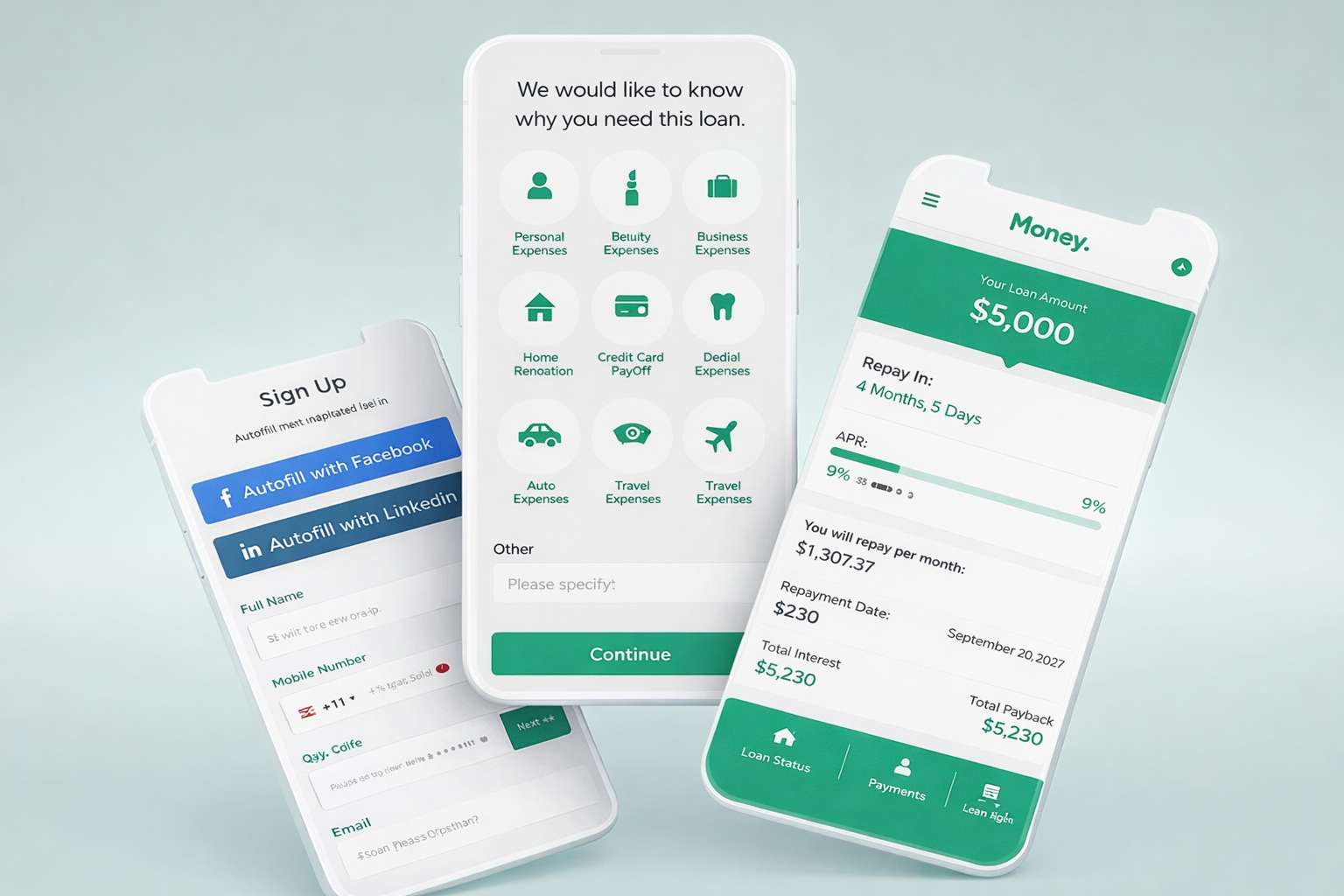
Develop intelligent AI-powered mobile apps and software solutions backed by machine learning, automation, and data-driven insights to streamline operations and improve business efficiency.
Create AI systems that generate content, automate workflows, and enhance productivity using advanced generative models and modern AI frameworks.
Seamlessly integrate AI capabilities into your existing software, applications, and business workflows without disrupting current operations.
Build intelligent chatbots that automate customer interactions, provide instant responses, and improve support efficiency across websites and applications.
A closer look at real projects shows how our AI solutions solve challenges, automated processes, and drive measurable outcomes.

PlanTech is a US-based construction company managing large-scale building projects with multiple on-site teams.
The client struggled to coordinate project managers, foremen, and labor teams because workforce tracking and updates were handled through paper-based records.
Developed simple web and mobile apps with AI-powered workforce tracking and task scheduling, enabling real-time coordination across construction teams.

EEvery industry has its unique workflows, data environments, and pain points. Our custom AI development services align with these realities, helping organizations improve efficiency, reduce costs, automate processes, and make smarter decisions.
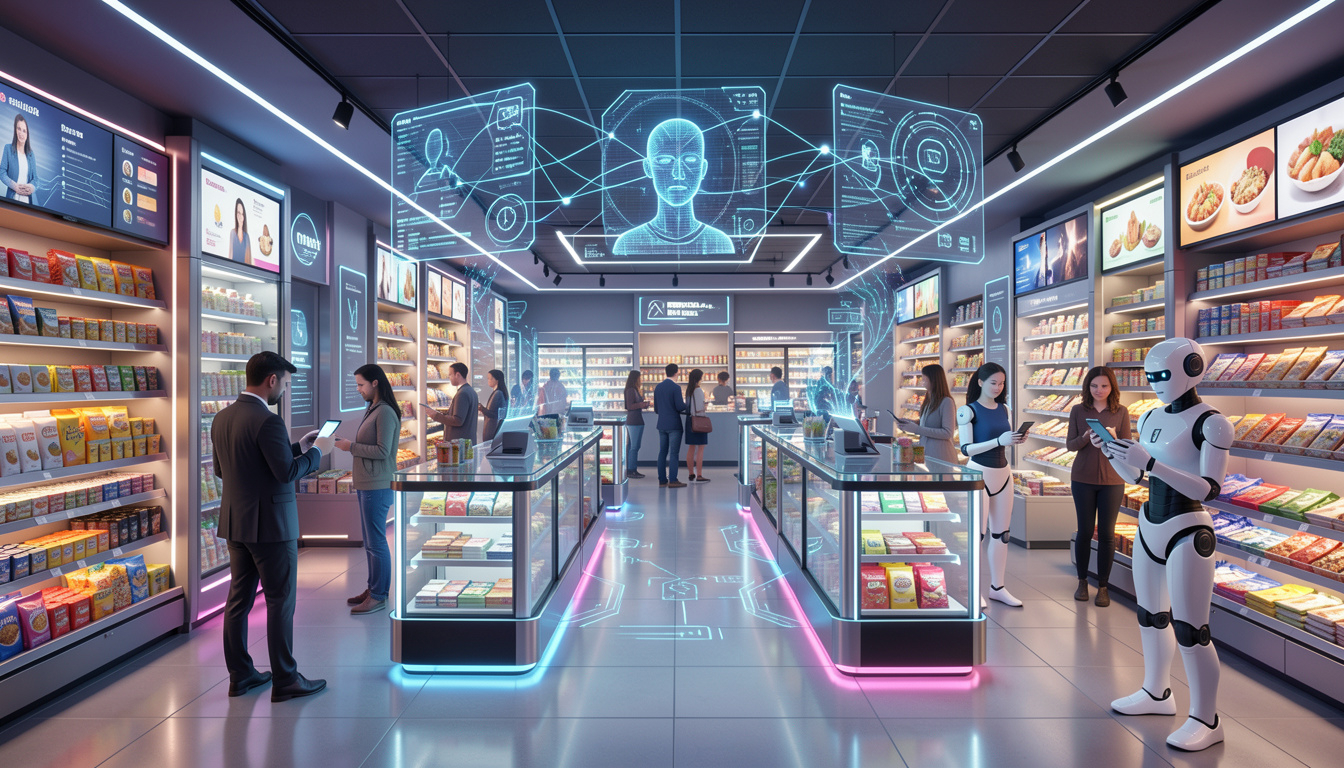
We enable retailers to harness AI to anticipate customer needs, optimize inventory, and personalize shopping journeys. By integrating predictive analytics and intelligent recommendation engines, businesses can boost conversions, reduce wastage, and create seamless experiences across online and offline channels.
AI empowers financial institutions to identify risks, detect fraud, and optimize investments in real time. By leveraging machine learning and intelligent data analysis, organizations can enhance decision-making, safeguard assets, and deliver personalized financial insights to clients.
AI helps banks modernize core operations, deliver personalized services, and proactively manage financial risks. Through predictive analytics, automated monitoring, and virtual assistance, banking experiences become smarter, faster, and fully compliant with regulatory standards.
AI transforms insurance workflows by automating claims, assessing risks intelligently, and detecting fraud early. By leveraging data-driven insights, insurers can accelerate approvals, reduce errors, and enhance policyholder experiences.
AI enables healthcare providers to deliver faster diagnoses, personalized treatment plans, and predictive patient care. With intelligent analysis of patient data, imaging, and health trends, hospitals can improve outcomes, reduce operational inefficiencies, and support proactive health management.
AI allows manufacturers to optimize production processes, predict equipment failures, and maintain consistent quality. By integrating real-time analytics and predictive models, organizations can increase efficiency, minimize downtime, and enhance overall productivity.
AI empowers modern agriculture to monitor crops, forecast yields, and make precision-driven decisions. Through data-driven insights and predictive modeling, farmers can increase productivity, reduce waste, and adapt proactively to climate and soil conditions.
AI enhances supply chain operations by optimizing routes, forecasting demand, and providing end-to-end visibility. With intelligent automation and predictive insights, businesses can deliver faster, reduce costs, and achieve seamless logistics management.
AI drives innovation in automotive systems by enabling autonomous navigation, predictive maintenance, and intelligent fleet management. By leveraging real-time analytics and machine learning, vehicles become safer, more efficient, and energy-conscious.
We enable retailers to harness AI to anticipate customer needs, optimize inventory, and personalize shopping journeys. By integrating predictive analytics and intelligent recommendation engines, businesses can boost conversions, reduce wastage, and create seamless experiences across online and offline channels.


Successful Projects
Years in Business
Happy Customers
Team Members

The first step is a feasibility assessment. The problem, available data, and expected outcome are evaluated to determine whether AI or traditional automation would deliver better results.
The AI development services cost depends on data complexity, model development, integrations, and infrastructure. Smaller AI applications may start around $15,000–$30,000, while enterprise AI platforms can exceed $100,000 depending on scope.
A basic AI prototype can take 6–10 weeks, while production-grade AI systems with training, testing, and integration usually take 3–6 months depending on complexity.
Not always, as some AI solutions work with moderate datasets, while others may require larger datasets. In many cases, existing business data can be cleaned and structured for model training.
Yes, AI models are usually deployed through APIs or microservices, which allows them to integrate with CRMs, ERPs, internal databases, and other enterprise systems without major infrastructure changes.
AI can automate processes such as customer support responses, document processing, predictive forecasting, fraud detection, and internal workflow decision-making depending on the industry and available data.
Traditional chatbots rely on fixed rules and predefined responses, while LLM-based systems can understand context, generate natural responses, and handle complex queries more dynamically.
We handle data security through secure environments, encrypted storage, controlled access policies, and compliance with industry data protection standards throughout the development process.
Post-deployment includes performance monitoring, model retraining, optimization, and system updates to ensure the AI continues to perform accurately as business data and requirements evolve.
ROI is typically measured through operational efficiency improvements, reduced manual workload, faster decision-making, improved customer experience, and measurable cost savings over time.
Discover All That's Trending In Technology, Business, Enterprises, And Outside
Still deciding?
Businesses trust Mtoag for digital products that are engineered for performance and measurable growth.
Awards





Fast replies, thoughtful answers.
Our team reviews every request and gets back shortly with clear next steps.